AI Agent Control Gates: Stop Bad Agents Before They Act
What should stop an AI agent before it takes the wrong action?
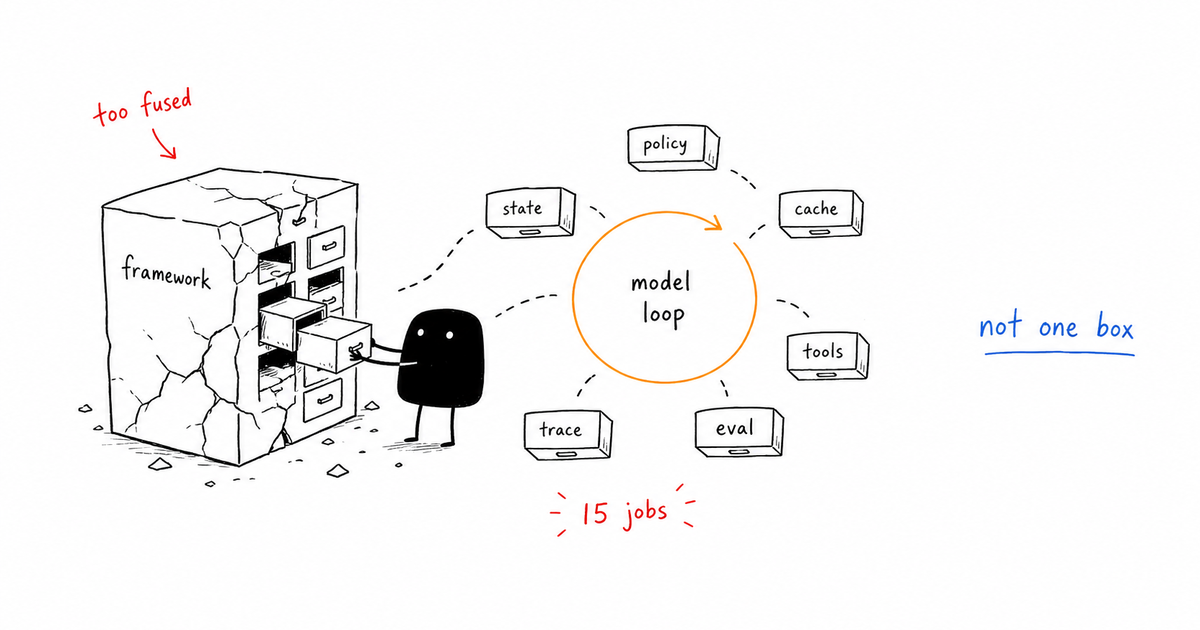
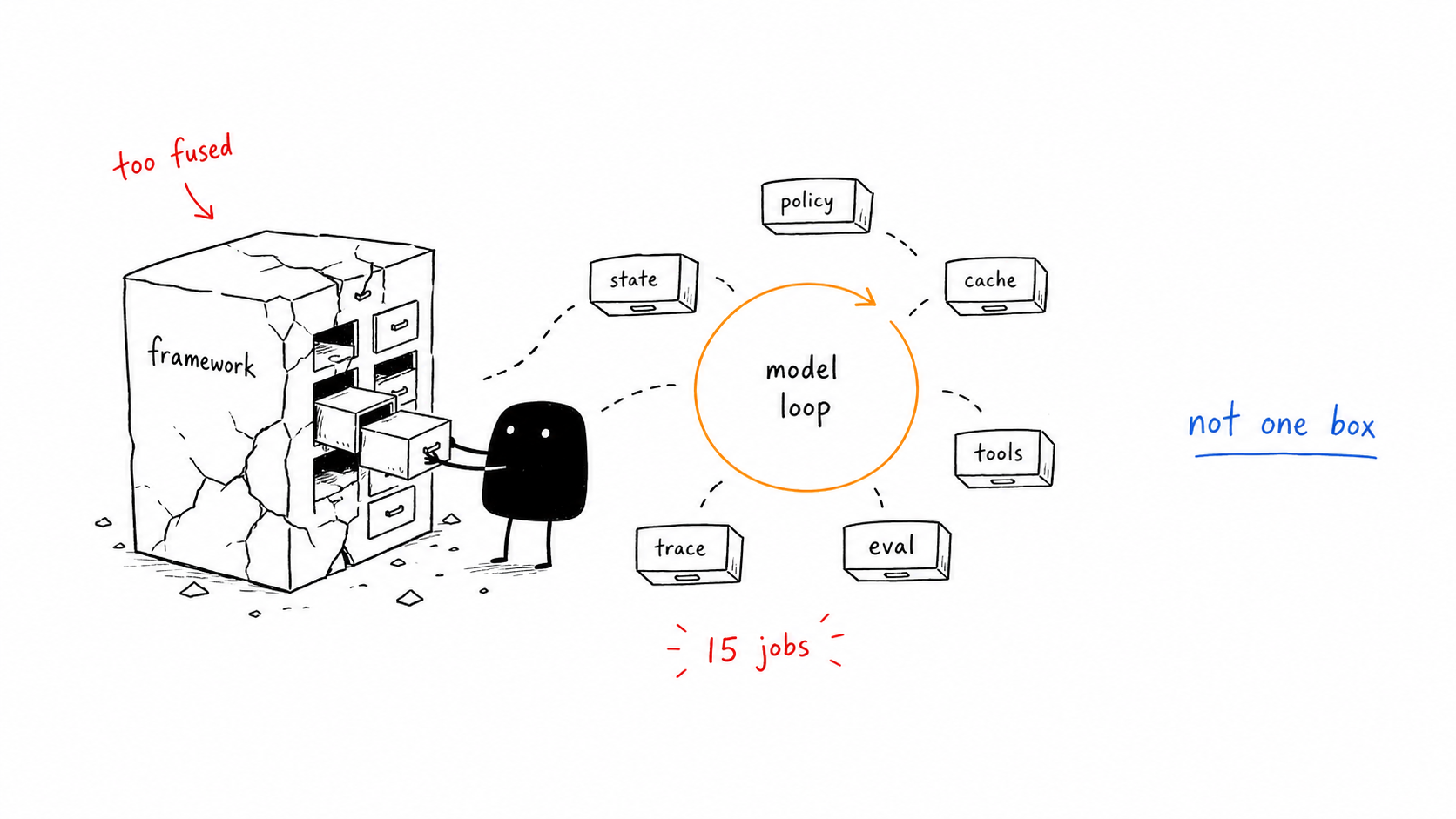
The tempting answer is to make the model more careful and collect more logs after something breaks. That answer is not useless, but it is too vague to operate. AI agent control gates are explicit checks that decide when an agent may continue, when it must log more evidence, when it needs evaluation, and when it must stop for human approval. They turn agent autonomy into a managed production system instead of a long prompt with hope attached.
Direct answer
AI agent control gates are explicit checks that decide when an agent may continue, when it must log more evidence, when it needs evaluation, and when it must stop for human approval. They turn agent autonomy into a managed production system instead of a long prompt with hope attached.
Data note
When this matters
- An agent can call tools, edit files, send messages, deploy code, query private data, or spend API budget.
- The system needs a useful audit trail after a failure, not just a transcript.
- You need one framework that connects monitoring, observability, evals, security, and approval instead of treating them as separate chores.
Failure modes this page should catch
- The agent completes the task but nobody can explain which tool call mattered.
- A low-risk request turns into an external mutation because permissions were described in prose instead of enforced in code.
- Cost spikes look like normal success because token and cache metrics are not tied to a turn.
- Security review happens after launch, when tool scopes and MCP servers are already wired into production.
Agent control gate map
| Gate | Signal | Action |
|---|---|---|
| Action gate | Tool call, file write, external send, deploy | Allow, deny, or route to approval |
| Evidence gate | Trace has prompt, tool, context, cost, and result | Block publish if evidence is missing |
| Security gate | Scope, secrets, user identity, data boundary | Deny or downgrade tool access |
| Eval gate | Task success, groundedness, policy result | Retry, revise, or fail closed |
| Human gate | Money, destructive work, customer-visible output | Pause with a decision packet |
Running example
A publishing agent drafts an article, asks to scrape sources, edits Markdown, and wants to publish. The gate map lets scraping run as read-only work, logs source evidence, blocks publish until factual slots are resolved, and routes the final external mutation to approval.
Copy the working template
Use the agent control gate map above as the v1 artifact for this page. Replace the placeholders with your own agent names, tools, risk classes, and thresholds, then link the result back into your monitoring, tracing, security, and evaluation gates.
How this connects to the control-gates library
- AI Agent Monitoring: Metrics, Logs, and Stop Conditions
- Agent Observability: Trace What Agents Decide and Do
- AI Agent Security: Threat Models for Tool-Using Agents
- MCP Authentication: Gate Agent Access to Tools Safely
- AI Agent Evaluation: Gates That Catch Bad Behavior
Frequently Asked Questions
What is an AI agent control gate?
An AI agent control gate is a runtime or workflow check that decides whether an agent can continue, must collect more evidence, must run an evaluation, or must stop for human approval.
Is this the same as observability?
No. Observability explains what happened. A control gate uses that evidence to allow, block, retry, or escalate an action before or after the agent acts.
Where should teams start?
Start with tool permissions, turn-level traces, cost monitoring, and one eval gate. Those four controls catch most early production failures without requiring a full governance program.
The Takeaway
The control layer is the real product boundary. The model proposes actions; the gates decide which actions deserve to touch the world.